
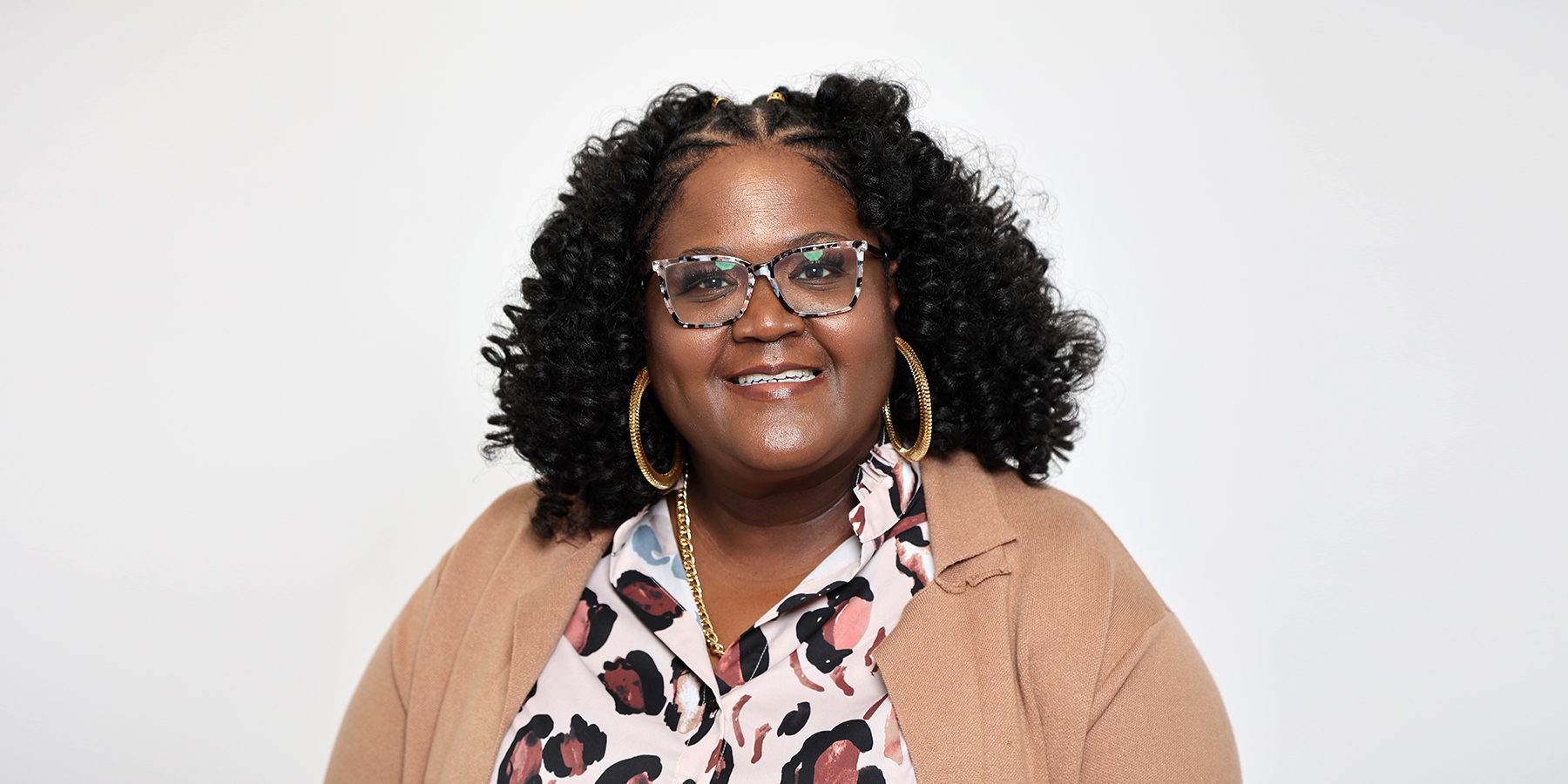
For more than a decade, she was a kindergarten teacher—the kind who could make five-year-olds feel safe, curious, and proud of themselves in the span of a morning. Then, after ten years in that cozy, colorful world, change came.
“When new schools opened, our enrollment shifted, and we lost a kindergarten classroom,” she recalls. “I could either transfer to another school to stay in kindergarten, or I could ‘move upstairs’ to third grade.”
She stayed. “My school had become a family, and I wasn’t ready to leave.”
The transition wasn’t as drastic as it might seem. “Third graders are still young—eight turning nine—so I kept a lot of the same practices I used in kindergarten,” she explains. “We still have carpet time. I still focus on helping them grow emotionally. It’s just that now, I’m helping them step into ‘big kid’ territory.”
If there’s one thing her years have taught her, it’s that children—no matter their age—crave the same thing: to be seen and heard. “Now more than ever, with all the devices and distractions, kids need to feel acknowledged. In the younger grades, they connect more with adults. By third grade, I’m helping them connect with each other, find their voice, and use it with confidence.”
Keeping that voice alive in a tech-saturated world isn’t easy. Many of her students spend hours on screens at home, so in the classroom she limits tech and leans into her own energy. “I’m a singer, I’m a dancer, I get them up and moving,” she laughs. “I’ve gone to trainings on hooking learners and I use those strategies. I make lessons interactive, relatable, and empowering.”
Creativity, however, has become trickier to maintain. With scripted curriculum and a push for test results, there’s less room for spontaneity. “We have checklists, standards, and a constant push for alignment,” she says. “But I still sneak in creative moments—both for my own joy and to give my students that spark of imagination. Even small creative touches matter.”
She still carries the memory of Jesse, a third grader who joined her class mid-year after moving from another school. “His file said he was overactive and aggressive, but I took the time to understand him,” she says. “By the end of the year, he had no office referrals, scored a 5—the highest level—on his end-of-grade test, and he cried when he found out he was moving again. He told me, ‘Nobody else gets me like you do.’ That was the first time I cried on the last day of school. It reminded me that no matter how long I have a student, I can make them feel valued, seen, and heard.”
Looking ahead, she dreams of change—big change. “In North Carolina, schools aren’t fully funded. Rural districts still struggle with resources, even internet access, and that limits opportunities for kids. Family engagement is also huge. Even small things—like a parent setting a bedtime or encouraging good choices—go a long way.”
To those considering a career in teaching, her advice is both practical and heartfelt. “First, thank you—it’s not easy, especially now. Set boundaries. Schools can’t run without the unpaid hours teachers give, but you have to protect yourself from burnout. Collaborate with colleagues, share resources, and take care of yourself. You can do this work well without sacrificing your whole life to it.”
For her, the heart of teaching hasn’t changed—whether it’s kindergarten or third grade, test prep or story time, laughter or tears. “Every child wants to be seen and heard,” she says. “And if I can give them that, then I’ve done my job.” ~ Doug D. Sims